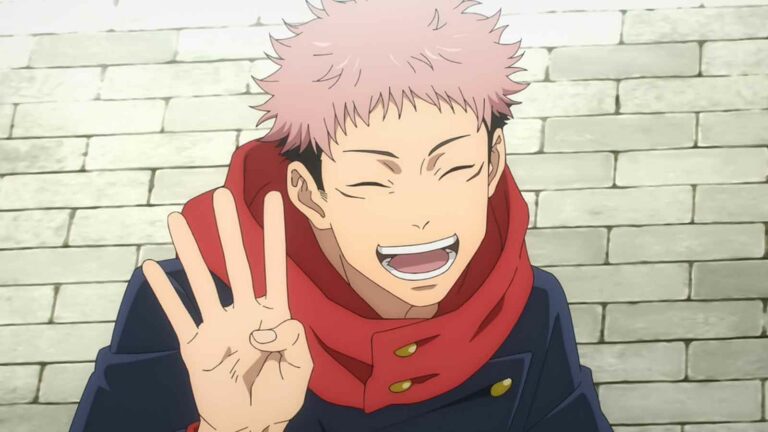

For years, Jujutsu Kaisen has built its reputation on being brutal, unpredictable, and unafraid to kill its characters. In a landscape crowded with long-running shōnen series that often protect their main cast with plot armor, Gege Akutami’s manga felt refreshing ruthless, even honest. No one was safe. Anyone could die. And when those deaths happened, they were often shocking, sudden, and merciless.
But somewhere along the way, something changed.
Not in the body count that only went up but in what those deaths actually meant.
Today, Jujutsu Kaisen is facing a growing backlash from fans who don’t feel shocked anymore. They feel exhausted. Detached. Even numb. Major characters vanish, storylines get cut short, and emotional arcs end without real resolution. Instead of tragedy, many readers are left with a strange sense of emptiness not the intentional kind, but the kind that comes from a story that no longer seems to know what it wants to say.
Jujutsu Kaisen didn’t become controversial because it kills characters.
It became controversial because it increasingly kills meaning.
This is the real problem catching up to the series and it explains both why it’s still wildly successful and why, long-term, it may be remembered as something far less than what it could have been.
From Phenomenon to Flashpoint: The Rise and Backlash of Jujutsu Kaisen
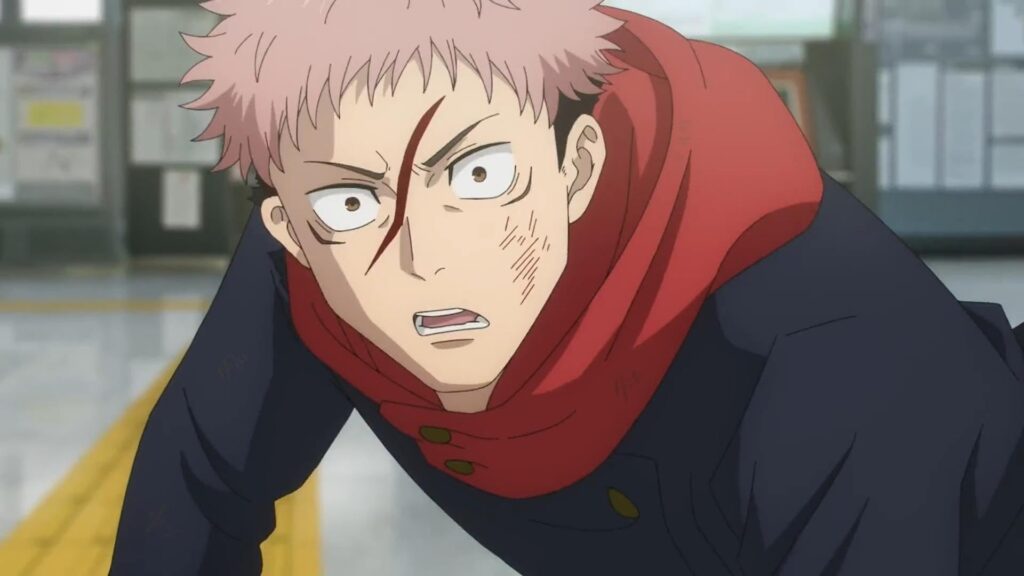
It’s hard to overstate just how meteoric Jujutsu Kaisen’s rise was.
When the anime premiered in 2020, it immediately stood out. MAPPA’s animation was spectacular. The action choreography was sharp and cinematic. The characters were charismatic. The power system was flexible but grounded. And unlike many shōnen protagonists, Yuji Itadori wasn’t chasing glory or becoming the best — he was confronting death from chapter one.
Then came the Shibuya Incident arc, widely regarded as one of the best modern shōnen arcs ever written. It was chaotic, tragic, and relentless. It broke the status quo, reshaped the world, and proved that Jujutsu Kaisen was willing to burn everything down to move its story forward.
That arc made the series legendary.
But it also set a dangerous precedent.
After Shibuya, Jujutsu Kaisen doubled down on destruction. The Culling Game escalated the scale. The cast expanded, then started shrinking. Major players were removed from the board with increasing speed. And instead of each death feeling like a narrative turning point, many started to feel like… events. Big moments that happened, were reacted to briefly, and then the story moved on.
Recently, the backlash has become impossible to ignore.
Social media is filled with readers saying the series feels rushed. That character arcs are abandoned. That deaths no longer land emotionally. That the manga feels more like a sequence of battles than a coherent story about anything in particular.
The irony is that Jujutsu Kaisen is more popular than ever.
And yet, it has never felt more hollow to a large part of its own audience.
The Core Problem: When Shock Replaces Storytelling
At its heart, Jujutsu Kaisen’s biggest issue is not that it’s dark.
It’s that darkness has become its default setting not a tool, but a crutch.
Shock Over Story
Early JJK used shock sparingly and effectively. When something horrible happened, it changed the characters. It changed the world. It mattered.
Now, shock feels like the point.
Characters appear, fight, and die in rapid succession. Revelations are dropped and barely explored. Massive events happen, and the story barely slows down to process them.
Instead of:
“This happened, and now the story must deal with the consequences.”
We increasingly get:
“This happened. Anyway, next fight.”
No Emotional Payoff
Tragedy only works if the audience is allowed to feel it.
But Jujutsu Kaisen rarely gives its characters or its readers time to grieve, reflect, or change.
Deaths are frequent. But reactions are brief.
Relationships are established. But rarely developed.
When everything is urgent, nothing feels important.
No Thematic Resolution
Early JJK had strong themes:
- The value of life
- The weight of death
- The cruelty of an unfair world
- The responsibility of the strong
But increasingly, the series doesn’t explore these ideas. It just uses them as aesthetic flavor.
The story is no longer asking questions.
It’s just escalating.
The Evidence Is in the Arcs: Where JJK Starts to Lose Its Soul
Shibuya Was the Peak and the Turning Point
The Shibuya Incident worked because it earned its brutality.
Nanami’s death hurt because we knew him. Nobara’s fate shook the fandom because it was sudden and cruel and tied directly to Yuji’s psychological collapse. Gojo’s sealing changed the entire power balance of the world.
Everything had consequences.
Shibuya felt like a tragedy.
The Culling Game Feels Like a Tournament Arc Wearing a War’s Skin
The Culling Game introduced dozens of new characters, many of whom existed solely to:
- Show off a technique
- Have a cool fight
- Die or disappear
Few of them had arcs. Fewer still had emotional weight.
Even returning characters often feel like chess pieces rather than people.
The story became more about mechanics than meaning.
The Problem With “Anyone Can Die”
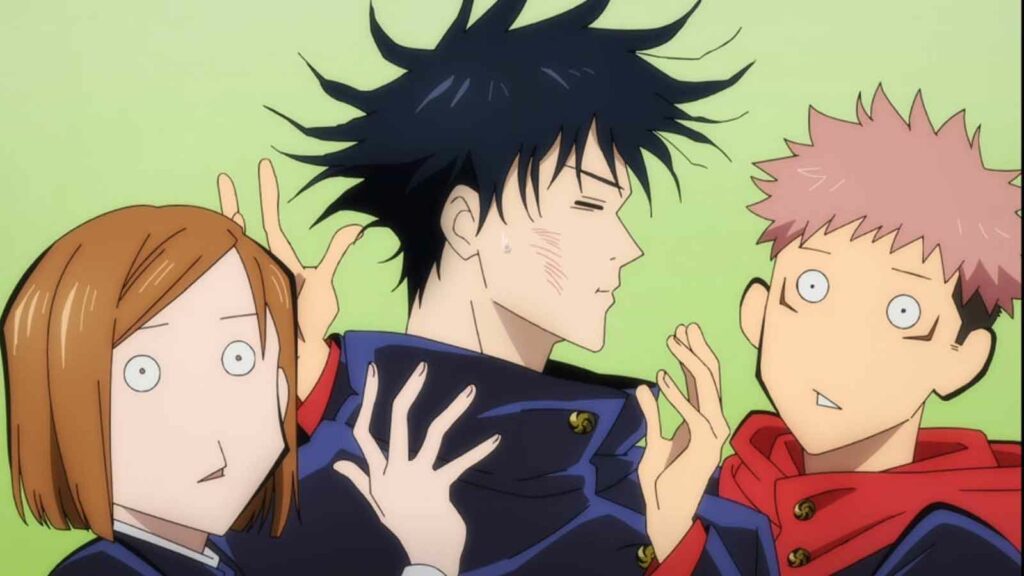
When everyone can die, eventually, no one’s death feels special.
Jujutsu Kaisen has reached the point where readers expect characters to be discarded. That kills tension rather than creating it.
Unpredictability only works when it serves a story.
Otherwise, it becomes noise.
How Other Series Handle Darkness Better
Attack on Titan: Death With Direction
Attack on Titan killed a lot of characters.
But every major death served a thematic purpose:
- The cost of war
- The cycle of hatred
- The burden of freedom
Characters didn’t just die. Their deaths meant something in the context of the story’s ideas.
Naruto: Emotional Payoff Over Body Count
Naruto had plenty of plot armor but when it killed someone important (Jiraiya, Asuma, Neji), it stopped to let that moment breathe.
The story changed because of those losses.
Chainsaw Man: Chaos With Character
Chainsaw Man is arguably even more chaotic than JJK.
But it works because:
- Death reinforces the themes
- Characters’ emotional states matter
- The story is about how people live, not just how they die
Fujimoto uses shock to say something. Not to replace saying anything.
Why Jujutsu Kaisen Still Works Commercially
Because spectacle sells.
- The fights are incredible
- The animation is elite
- The character designs are iconic
- The power system is flexible and fun
JJK is extremely easy to market:
- Cool characters
- High stakes
- Constant action
- Endless hype moments
It’s perfectly engineered for:
- Social media clips
- Merchandising
- Anime-first consumption
You don’t need thematic depth to dominate charts.
You just need moments.
Why This Will Hurt It Long-Term
Because stories aren’t remembered for their body counts.
They’re remembered for:
- Their characters
- Their ideas
- Their emotional impact
Right now, Jujutsu Kaisen risks being remembered as:
“That really cool series where a lot of stuff happened.”
Not:
“That story that meant something.”
If readers stop caring who lives or dies, the stakes collapse.
And when stakes collapse, all you have left is noise.
Jujutsu Kaisen’s Greatest Curse Is Its Own Success
Jujutsu Kaisen tried to escape the clichés of shōnen storytelling.
In doing so, it may have created a new one:
Confusing constant tragedy with depth.
The series doesn’t need fewer deaths.
It needs more meaning.
Because in the end, the real tragedy isn’t that so many characters died.
It’s that so few of their deaths truly mattered.