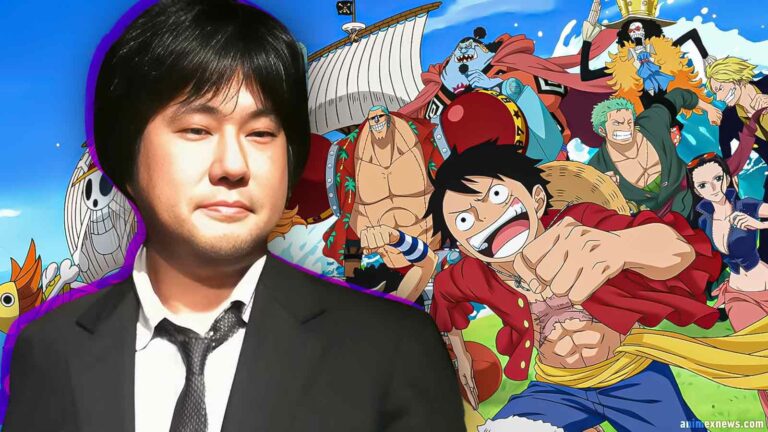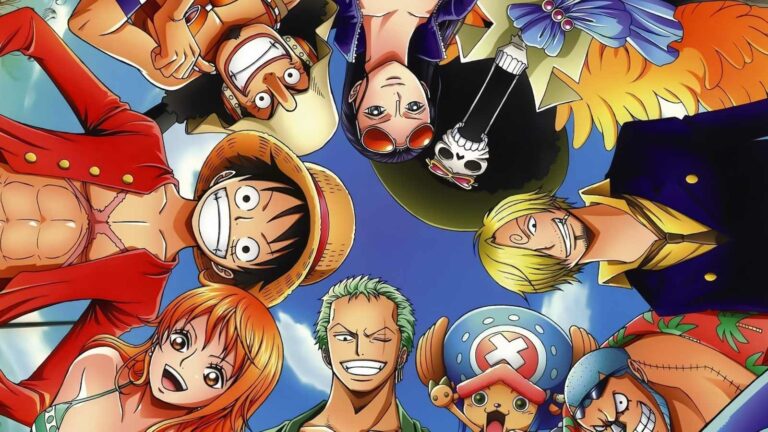

Eiichiro Oda has crafted One Piece around the storytelling element of tragic sacrifice the death of pivotal characters to propel the narrative and protect cherished ideals. This pattern, evident throughout the series, culminates in the Final Saga’s decisive confrontations.
Oda’s documented assertion that the final war dwarfs Marineford in scope ensures a moment of unparalleled loss, leaving fans devastated by the irreversible toll on beloved figures. Resolution here affirms the series’ emotional gravity, as prior sacrifices built to this apex.
What the Story Element Is
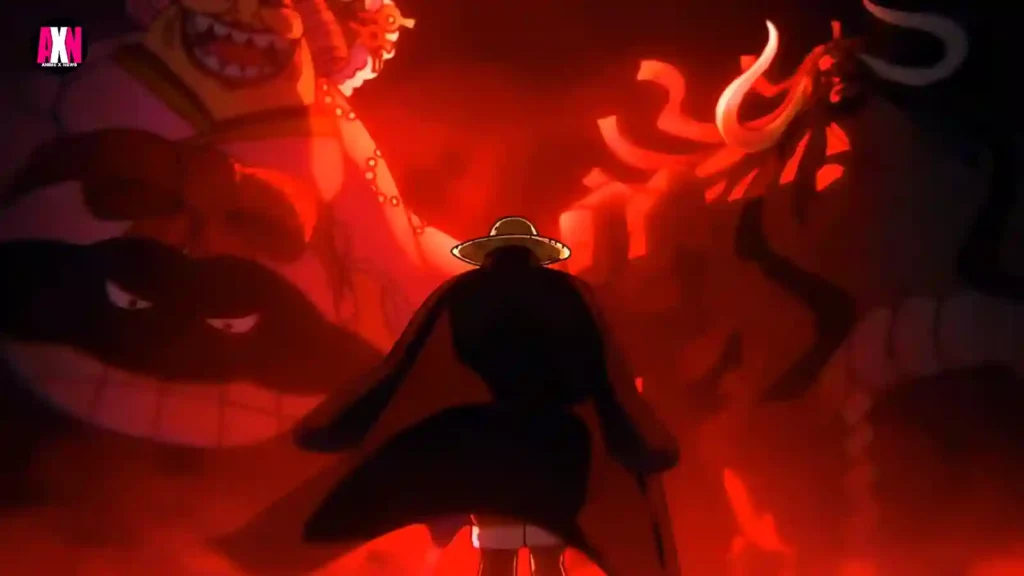
Tragic sacrifice defines instances where characters willingly forfeit their lives to safeguard allies, uncover truths, or challenge oppression, often in battle’s crucible. This element resonates emotionally by blending heroism with profound sorrow, reminding audiences that true change demands personal cost.
Narratively, it propels plot progression through shifted alliances and heightened motivations, grounding the adventure in realistic consequences. Factually rooted in Oda’s serialized structure, it ensures triumphs carry weight, preventing victories from feeling unearned.
How the Authority Applied It
Eiichiro Oda consistently integrates tragic sacrifice with lasting repercussions that redefine the world. In Marineford, Ace intercepts Akainu’s lethal strike on Luffy, perishing in his brother’s arms after affirming their bond.
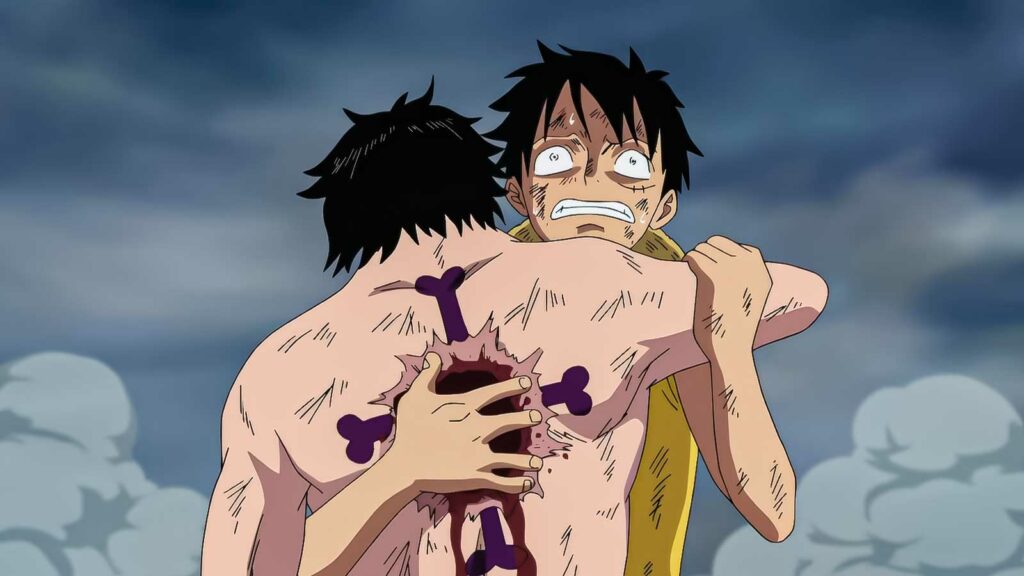
This loss catapults Luffy into a two-year training hiatus, reshaping his resolve and the crew’s dynamics while igniting broader pirate unrest.Whitebeard’s simultaneous demise, declaring One Piece’s existence amid his final stand, fractures the Emperor system and accelerates the New World scramble.
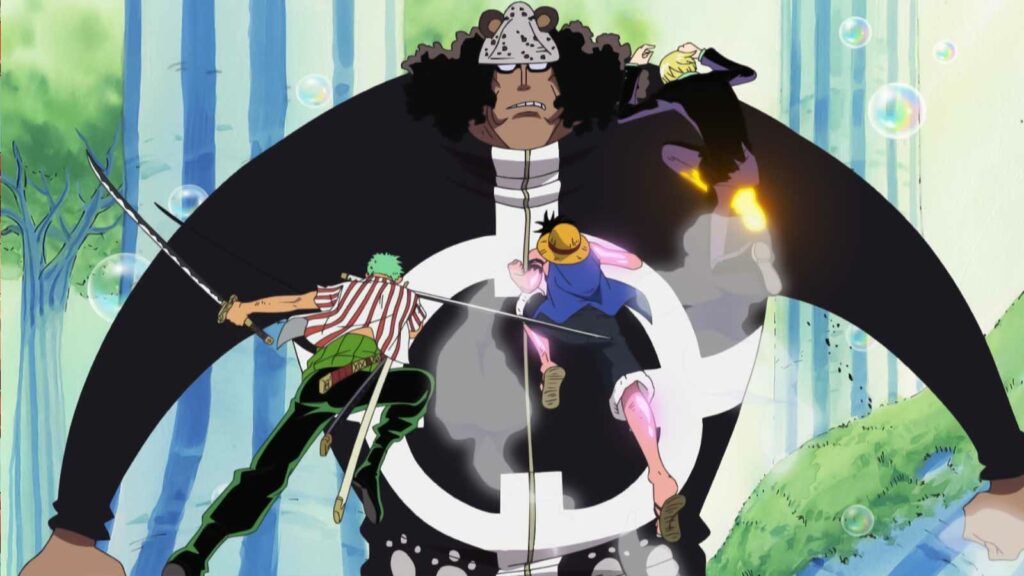
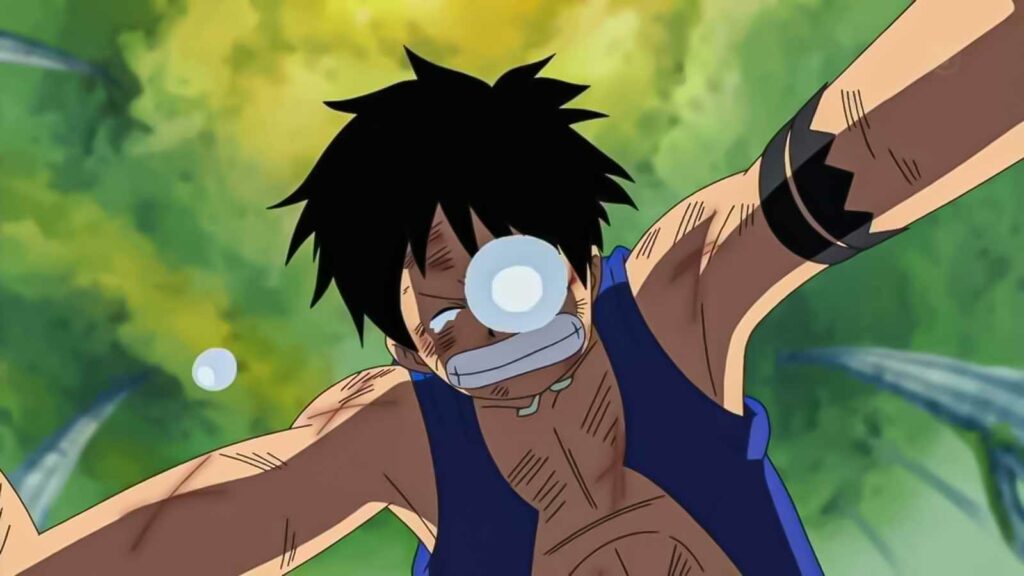
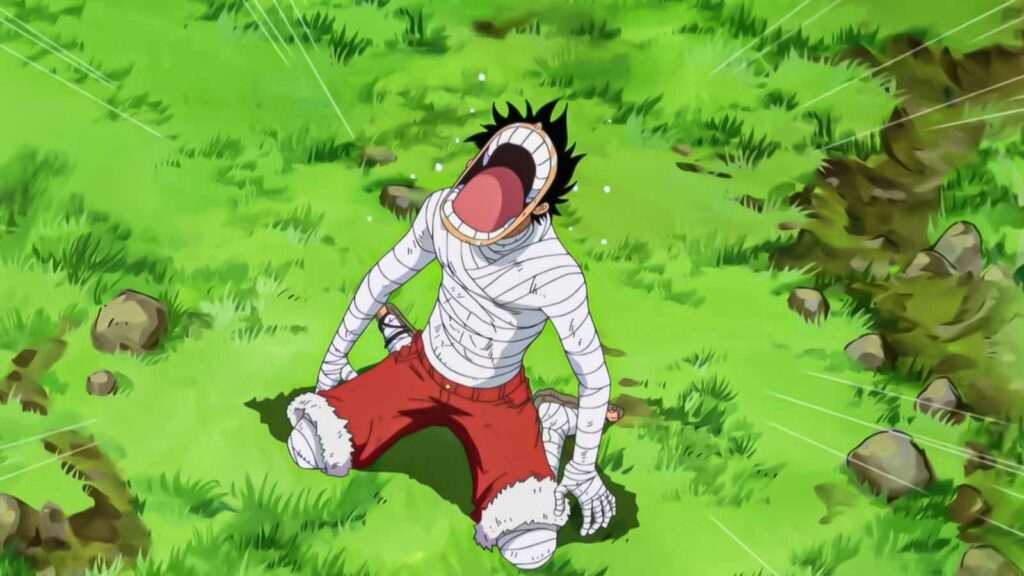
His death empowers surviving allies like Marco to continue the fight, altering global power balances. Earlier, Bellemere shields Nami and Nojiko from Arlong’s execution, dying defiantly to preserve their futures.
This fuels Nami’s navigation skills and eventual Straw Hat membership, turning personal tragedy into collective strength. Hiriluk explodes himself to escape Wapol’s trap, entrusting Chopper with his medical legacy. Chopper’s transformation from outcast to doctor embodies this inheritance, contributing to crew victories like Enies Lobby.
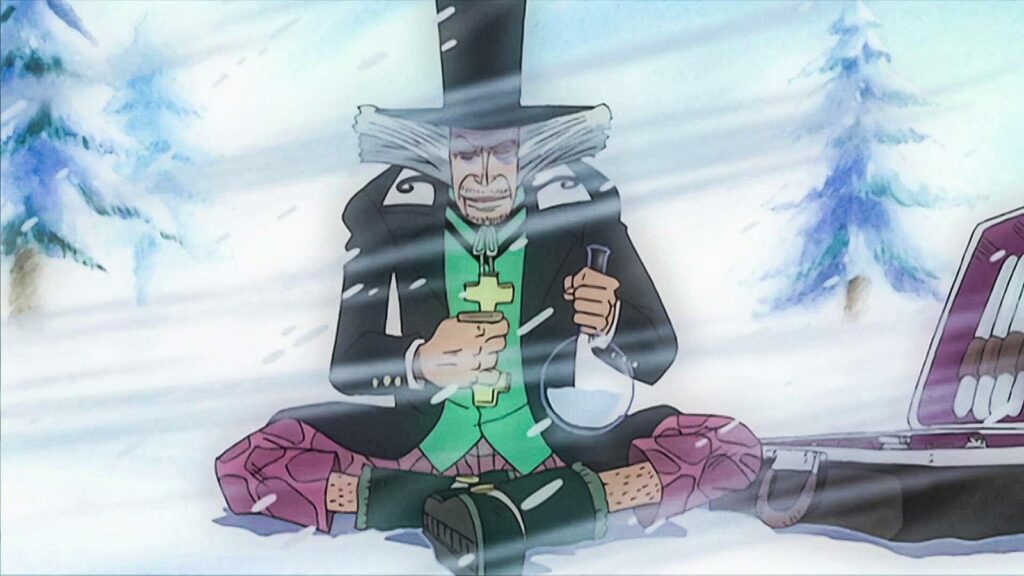
These applications yield concrete outcomes: deepened character arcs, escalated conflicts, and thematic reinforcement of freedom’s price. Oda’s pattern amplifies tension, as each sacrifice echoes forward, influencing events like the Revolutionary Army’s movements.
Why This Arc or Saga Is the Final Opportunity
The Final Saga heightens tragic sacrifice through converging global threats, where ancient weapons, the Void Century’s secrets, and the D. clan’s destiny intersect in all-encompassing warfare. Stakes peak as Luffy’s alliances face Imu and the World Government’s full might, making any loss world-altering.
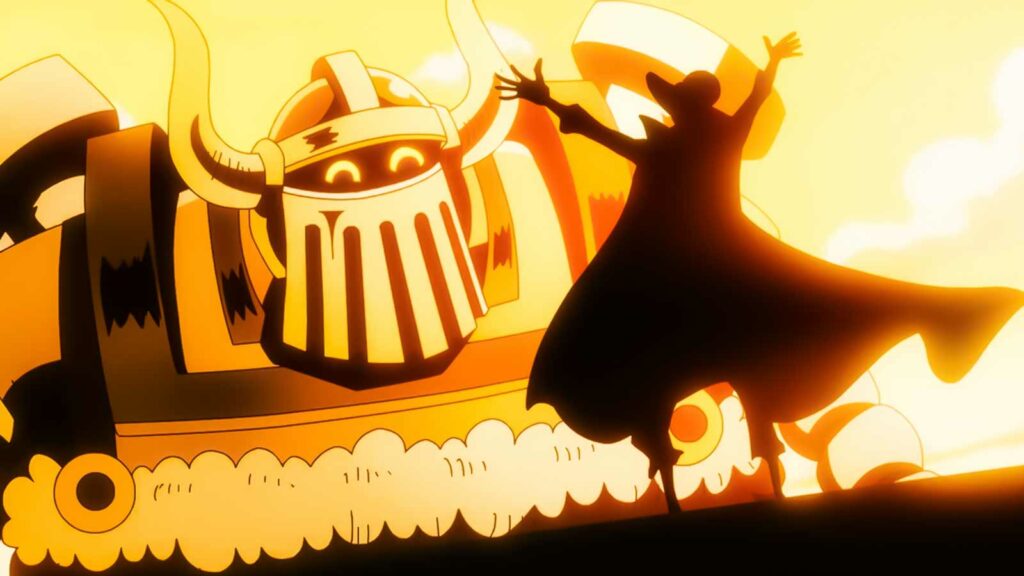
Structurally, Oda positions this saga as the narrative terminus, with Laugh Tale’s approach and Vegapunk’s revelations closing long-standing loops. Oda stated the final saga renders Marineford a mere side trip implying amplified sacrifices without extension possibilities.
Delaying resolution undermines the story by blunting accumulated buildup. Twenty-eight years of escalating perils demand climax now; postponement renders patterns repetitive, eroding the urgency that defines One Piece‘s progression.
What a Successful Payoff Achieves
A successful payoff bolsters One Piece’s themes of enduring wills amid loss, illustrating that sacrifices forge the path to liberation. It elevates Luffy’s journey by mirroring past griefs on a vaster scale, solidifying bonds through shared mourning.
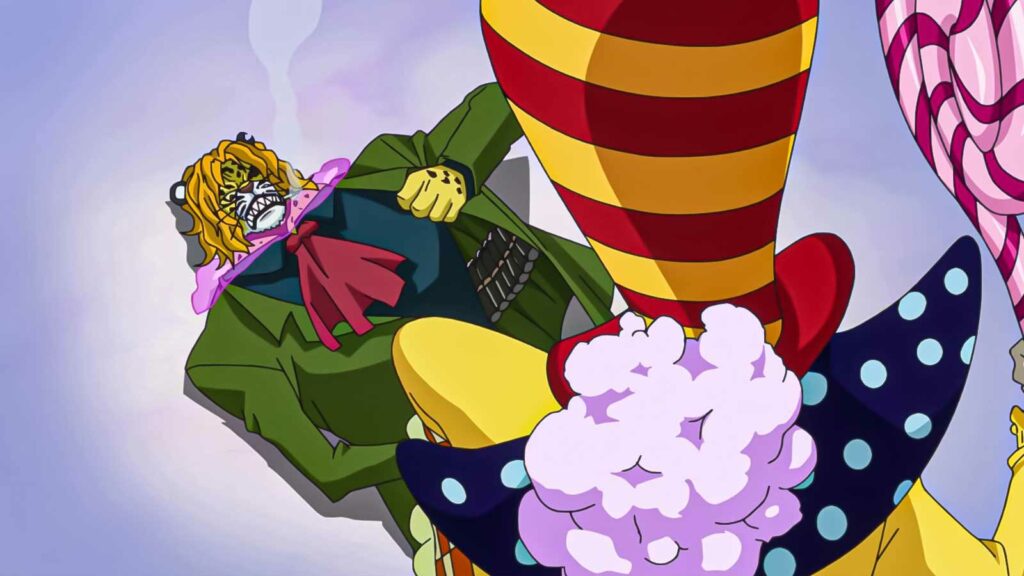
Fans anticipate this based on Oda’s consistent deployment, from Alabasta to Wano, where sacrifices like Pedro’s self-detonation enable breakthroughs. Oda’s emphasis on a finale surpassing Marineford’s impact primes expectations for emotional devastation.
Absent this, the story forfeits its depth. Endings become superficial celebrations, negating the sacrifices that humanize the epic. The philosophical core that dreams persist through pain dissipates, leaving a hollow resolution unfit for Oda’s meticulously built legacy.